Social guide / NF 003
Can you photograph people in Japan?A useful rule of thumb
Street photography is possible, but a public place is not a permission slip. What changes when a person is the subject—and when you post.
Evidence label / Supreme Court judgment • National law • Official visitor guidance
Japan is extraordinarily photogenic. It is also a place where a quiet moment can become uncomfortable quickly when a stranger points a camera at someone.
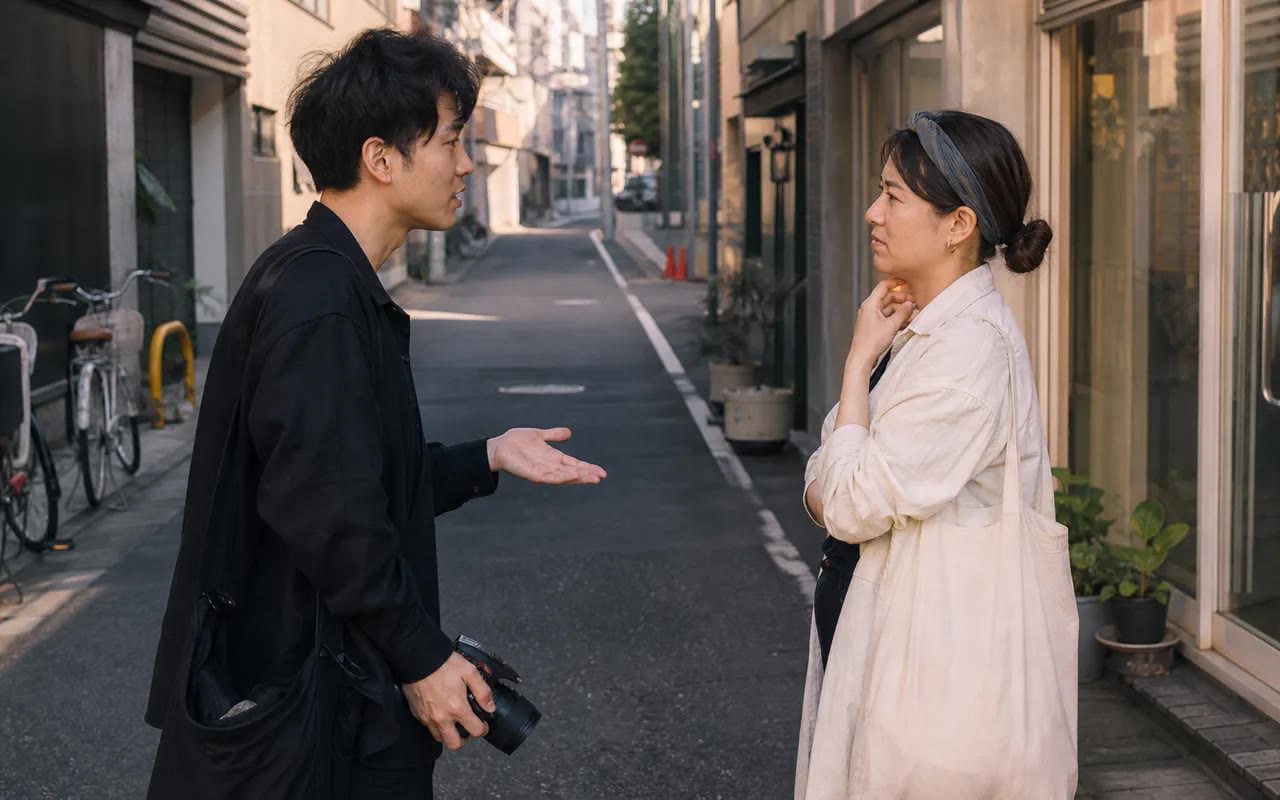
If a person is recognizable and important to your picture, ask before taking it. If you want to publish it, make sure they understand that too.
Public does not mean permission
There is no simple rule saying every photograph taken without consent in a Japanese public place is automatically unlawful. Courts examine the circumstances. In a 2005 judgment, Japan’s Supreme Court said people have a legally protected personal interest in not having their face or appearance photographed without good reason. Relevant factors include the person’s status, activity, location, the photographer’s purpose and method, and necessity.
For a traveler, this does not mean “street photography is illegal.” It means that being on a public street is only one factor. A targeted close-up of a stranger is different from a wide view of a crossing in which pedestrians happen to appear. JNTO’s visitor guidance gives a clearer etiquette standard: ask before photographing individuals, including in public.
Subject or background?
Ask yourself: would this image still work if that person were removed? If not, the person is probably your subject. Ask. This applies to shop staff, artisans, vendors, performers, people in traditional clothing and strangers whose appearance caught your attention.
Shashin o totte mo ii desu ka? means “May I take a photo?” A smile and gesture toward the camera can help, but silence, uncertainty or discomfort is not a yes. If someone turns away, shakes their head or raises a hand, lower the camera.
Keep incidental people small in the frame when possible, avoid singling out anyone vulnerable or distressed, and reframe, wait or blur recognizable faces. Be especially cautious with children: ask a parent or guardian and skip the photograph if anything is unclear.
Shooting and posting are two decisions
A person may agree to a travel snapshot without realizing it could appear on a public or monetized account. If you plan to publish an identifiable portrait, ask separately: SNS ni nosete mo ii desu ka?—“May I put it on social media?” Do not attach a name, workplace, location or personal story they did not agree to share.
A smile is not a model release, and permission to shoot is not automatically permission to post.
The place can say no
Museums, shops, restaurants, shrines, temples, venues and railway facilities may set their own rules. Look for 撮影禁止 (satsuei kinshi, photography prohibited). Some places allow stills but not video, or photographs without flash. Follow staff instructions, do not block passageways, and respect restrictions on tripods and selfie sticks.
Baths and changing areas are an absolute stop. JNTO’s onsen guidance says phones and cameras are forbidden in bathing areas because of privacy. An apparently empty room does not cancel that rule.
Sexual or secretive photography is a hard boundary
Japan’s 2023 national law criminalizes specified acts of secretly or non-consensually photographing sexual areas or underwear and covers related handling of certain unlawfully created records. Never aim under clothing, use concealed equipment, target sexual areas, or record in toilets, changing rooms or baths. Never sexualize images of minors. Consent to conversation, a date or an ordinary portrait is not consent to sexual photography.
If someone objects, stop. The considerate response is to lower the camera and delete the image rather than debate what might technically be permitted. Good photographs of people usually begin with a human interaction.
This is practical visitor information, not legal advice. Venue rules and the facts of a specific situation may change the answer.
Continue by topic
More Japan etiquette guides