
Independent Japan culture brief

Japan dating, nightlife & culture—past the surface.

Dating, sex etiquette, love hotels and Tokyo nightlife for adult visitors, alongside women's culture and everyday Japanese. Practical answers in English, with sources and clear boundaries.

Tokyo ↔ The worldEnglish editionUpdated six days a week
A vivid evening street scene in Akihabara, Tokyo

Akihabara after rain—bright enough to distract you, layered enough to reward a closer look.

Photo / Jezael Melgoza
Unsplash

Translation ≠ context  •  A thread ≠ a nation  •  Curiosity without clichés

Japan Pulse

Useful now.

October 14, 2026

Two fictional adult visitors checking a phone beside a vintage passenger railcar in a railway heritage display; AI-generated concept, not a photograph of a real museum or event
AI-generated railway-heritage illustration; not a photograph of a particular museum or Railway Day event.

Railway Day planning

October 14 is Railway Day—check the event date before you go

October 14 is Japan's Railway Day. The Ministry of Land, Infrastructure, Transport and Tourism explains that it commemorates the opening of the country's first railway between Shimbashi and Yokohama on October 14, 1872; the annual observance was established in 1994. The date is a useful cue to explore railway heritage, but it is not a promise that every related event happens today. For example, the ministry's current page lists the 33rd Railway Festival in Odaiba for October 10–11, 2026—dates that have already passed. Our practical suggestion: choose a specific organiser or railway museum, then check its current calendar, exact venue, admission arrangements and any booking requirements before travelling. Read the event's own notice rather than treating a commemorative-day listing as a ticket or opening-hours confirmation. If your chosen activity is unavailable, plan another stop. The museum scene shown here is a fictional illustration, not evidence that a particular venue is open or hosting an event.


Field notes / live

Read the latest field notes

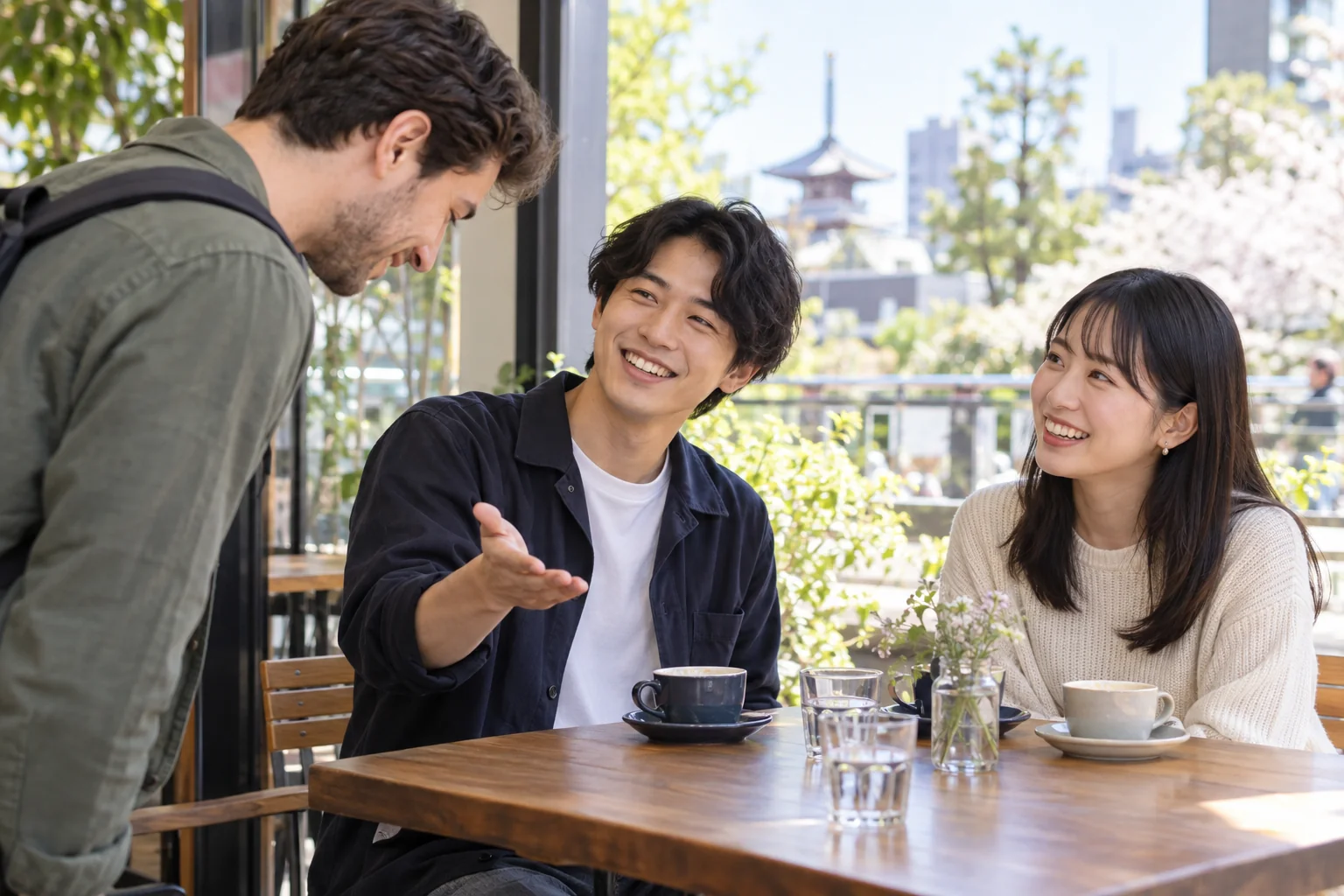
Thumbnail for Does daijoubu mean yes or no in Japanese?
NF/040Social guide
AI-generated editorial image

Practical Japanese

Social guide

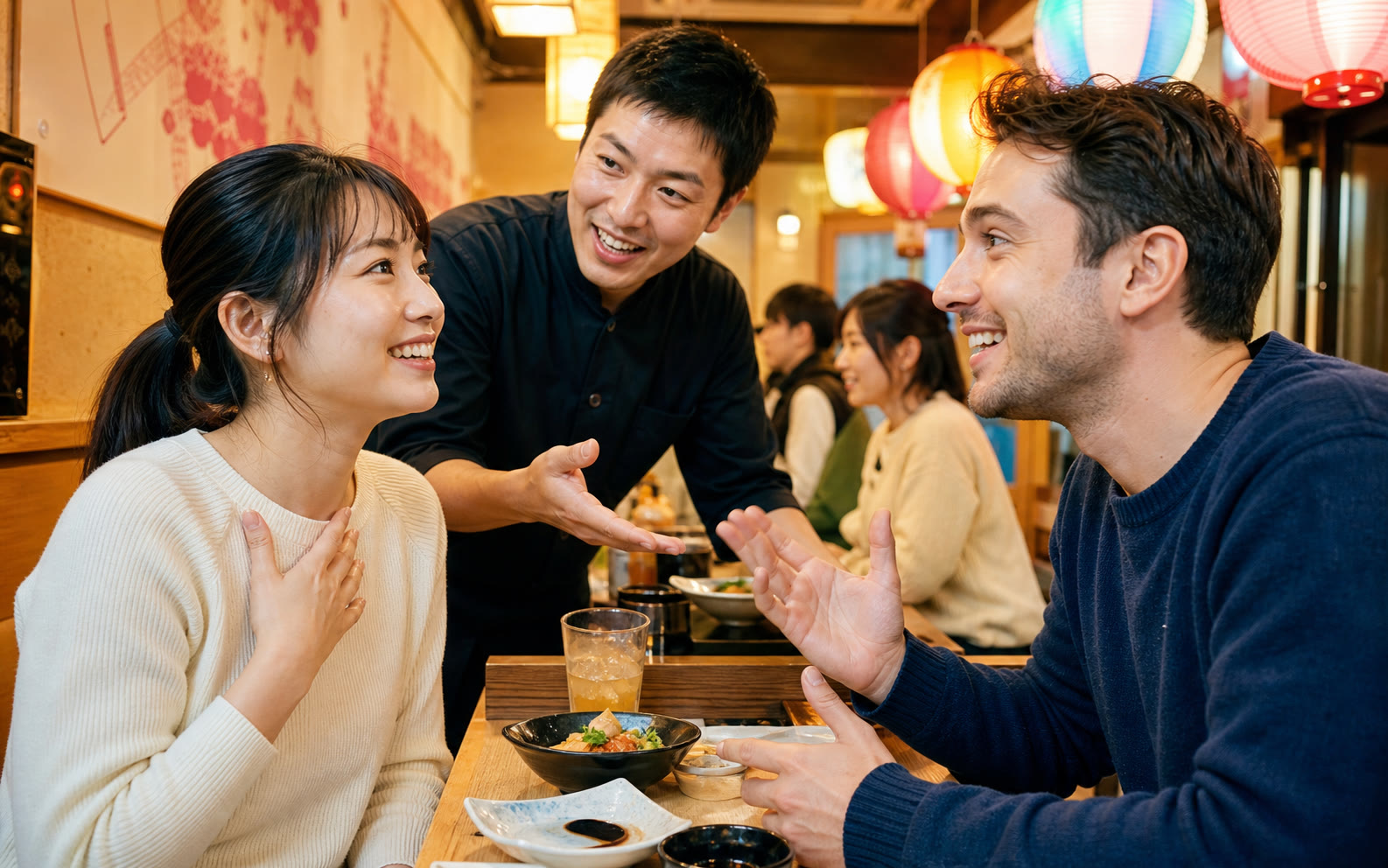
Does daijoubu mean yes or no in Japanese?

Daijoubu desu can reassure someone or decline an offer. Use the question and a specific reply to make your meaning clear at a shop, café or meeting.

5 min
Thumbnail for Can two people use one Suica card on trains?
NF/038Social guide
AI-generated editorial image

One card per person

Social guide

Can two people use one Suica card on trains?

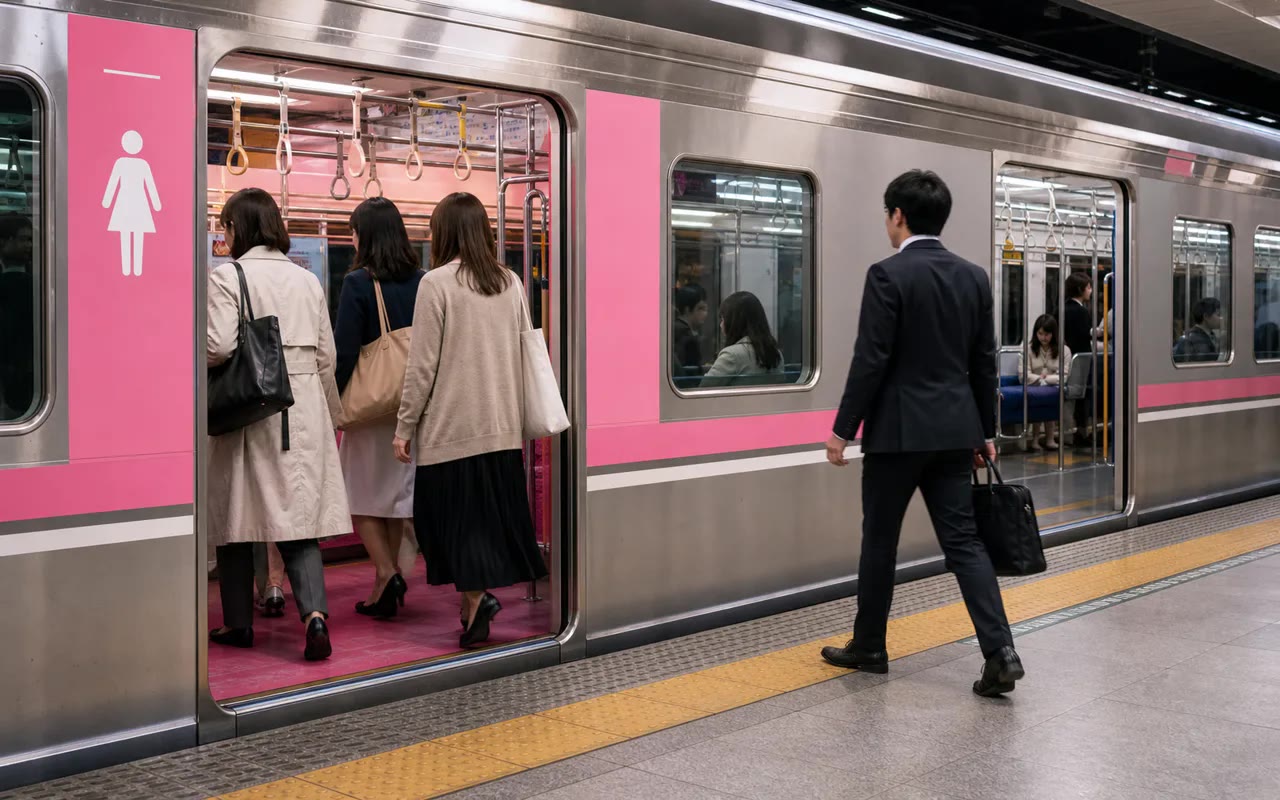
For a shared train journey, each traveler needs a valid card or ticket. Learn why double-tapping one Suica fails and how a named bus exception differs.

5 min
Thumbnail for What is a soapland in Japan?
NF/037After hours
AI-generated editorial image

Sex industry explained

After hours

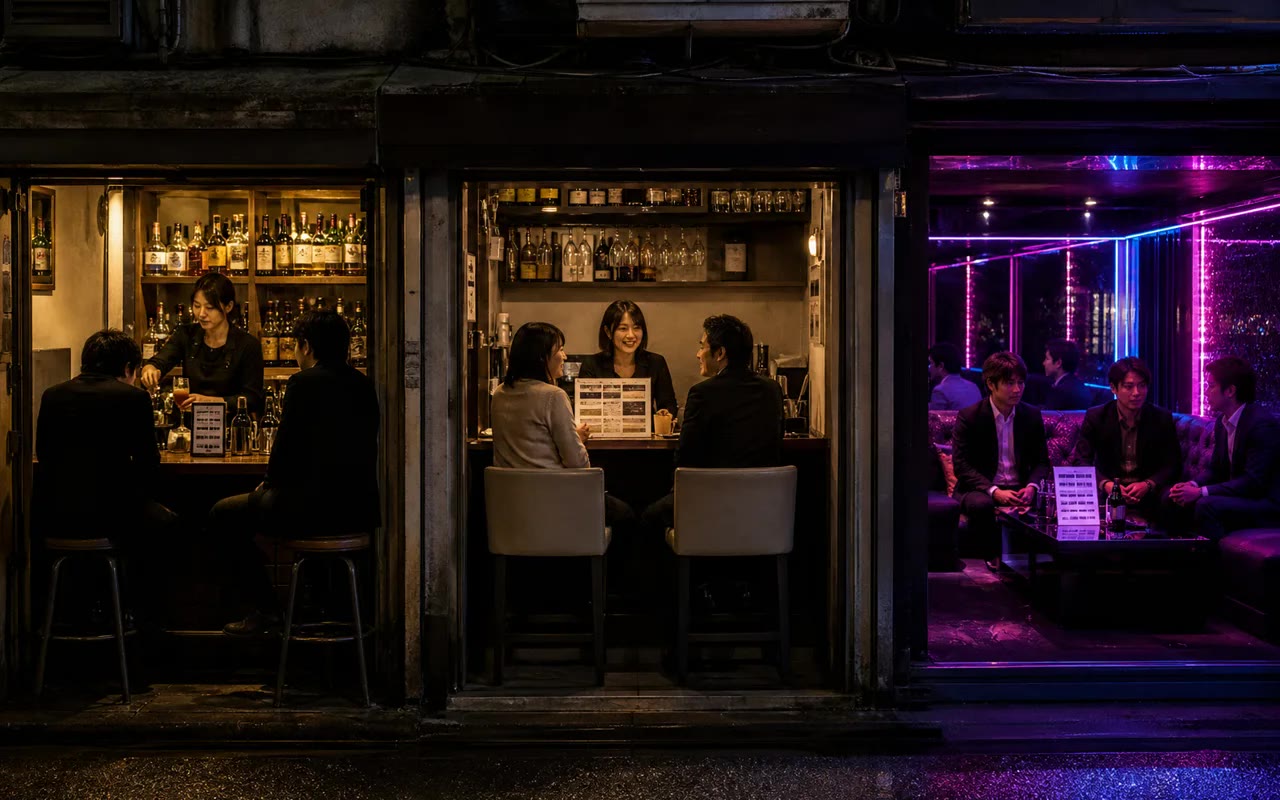
What is a soapland in Japan?

Understand the adult-industry term, legal category and association principles.

5 min
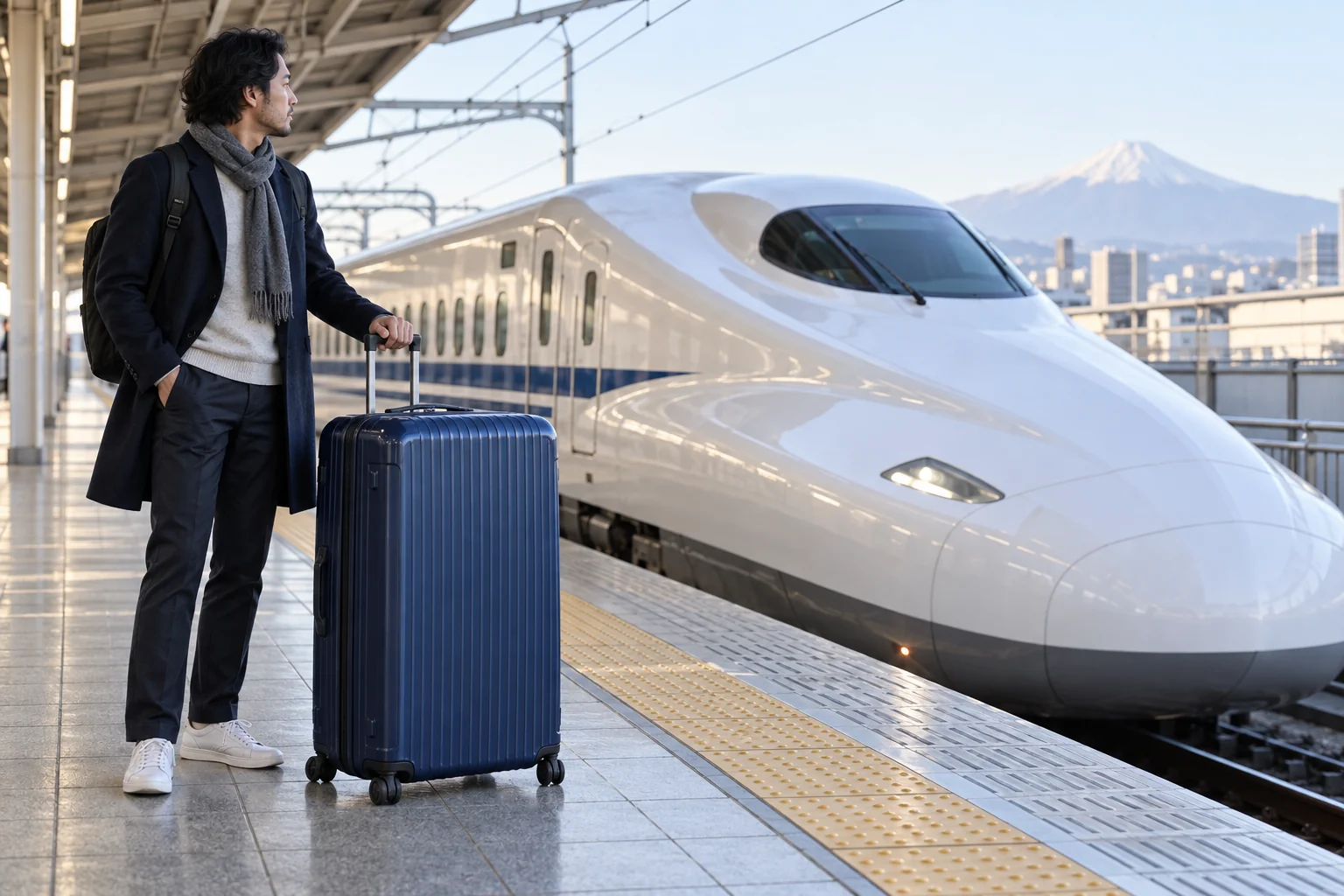
Thumbnail for Can you use Suica for the Shinkansen?
NF/036Social guide
AI-generated editorial image

Train tickets

Social guide

Can you use Suica for the Shinkansen?

Separate your booking, card assignment and stored balance before you tap.

5 min
Thumbnail for Left a bag on a JR East train?
NF/030Social guide
AI-generated editorial image

Lost property

Social guide

Left a bag on a JR East train?

What to tell staff and what to check before collecting a found item.

4 min
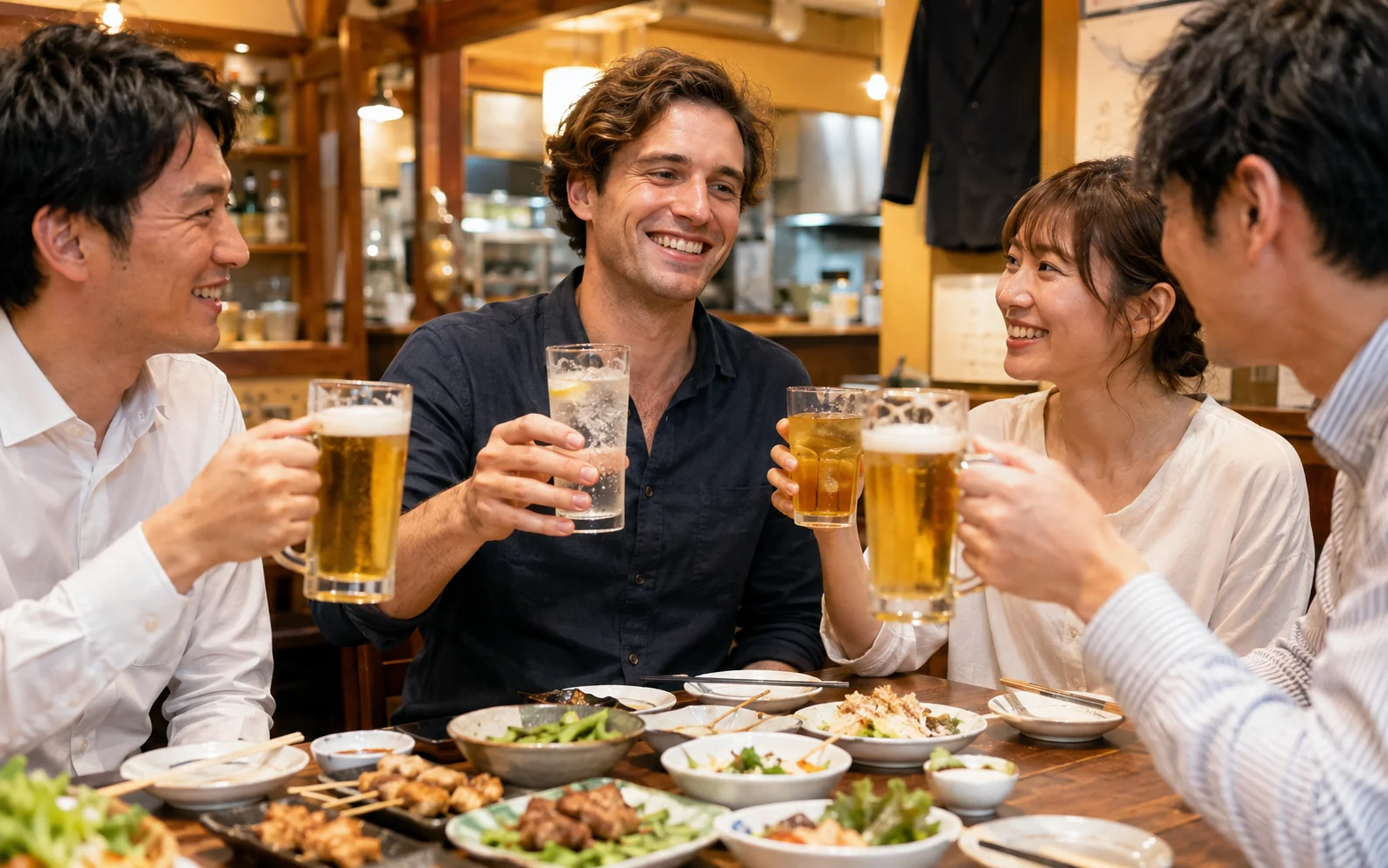
Thumbnail for Do you have to drink at a Japanese nomikai?
NF/027After hours
AI-generated editorial image

Nomikai decoded

After hours

Do you have to drink at a Japanese nomikai?

Join the kanpai, choose your own drink and keep your exit easy—without turning the night into a cultural test.

7 min
Thumbnail for Do you need a kokuhaku before dating in Japan?
NF/026Women & culture
AI-generated editorial image

Dating defined

Women & culture

Do you need a kokuhaku before dating in Japan?

A relationship-defining confession can matter. The intelligent version is a clear question—not a cultural performance.

7 min

What makes it different

The footnotes are the story.

We are not here to make five anonymous comments sound like the voice of a country. Every piece shows where its claims came from—and where they stop.

Natural, not flattened

We keep the Japanese wording nearby and explain slang, sarcasm and what an automatic translation misses.

Voices with labels

Survey, interview or selected thread—we tell you exactly what kind of evidence you are reading.

Editorially reviewed

Every story is checked for age, consent, source rights, representation and headline accuracy before publication.

New to Neon Footnotes?

Begin with the question you came to Japan carrying.